



Design + Compassion
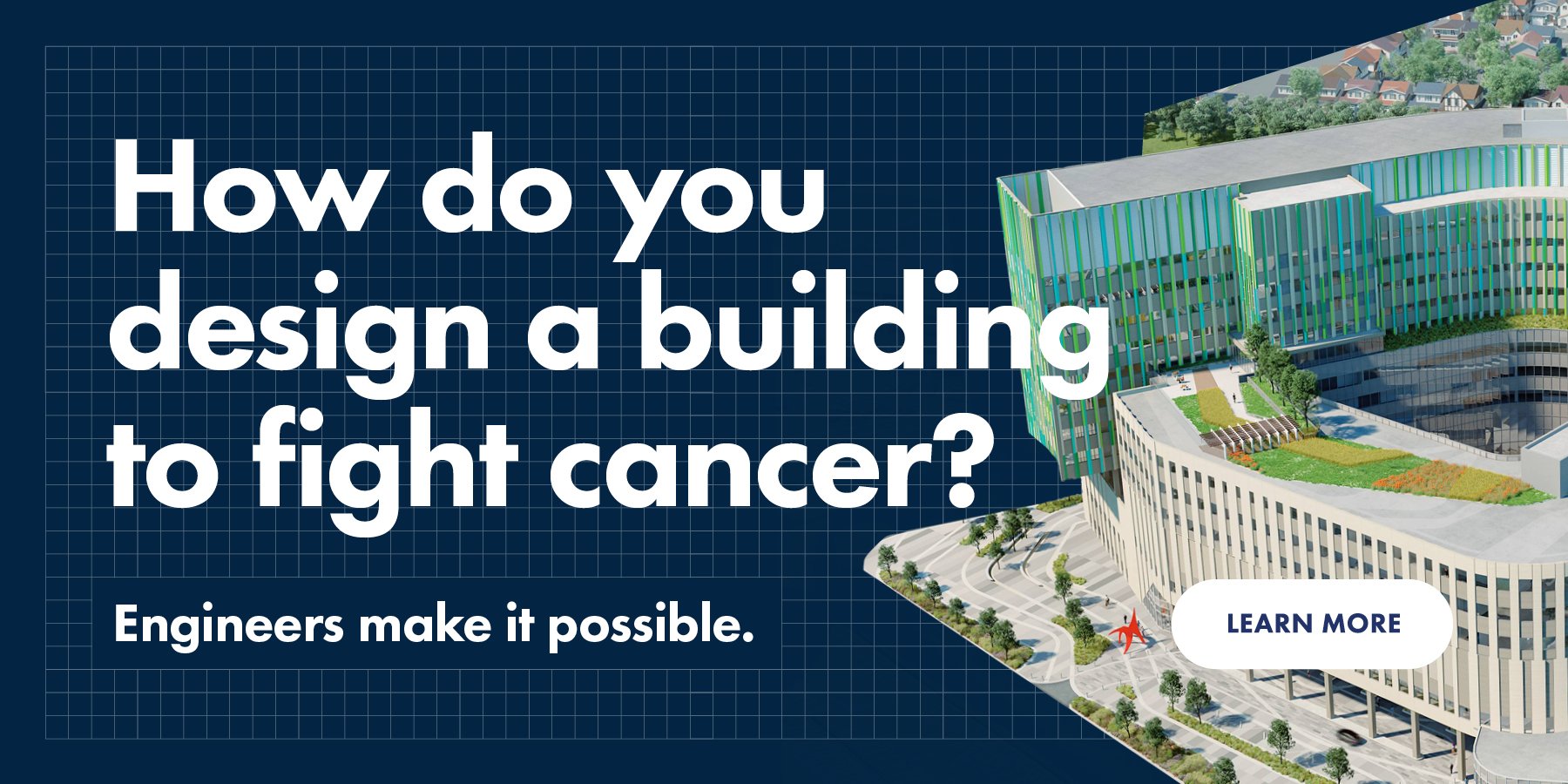
For anyone fighting cancer, a hospital becomes more than a treatment facility. It becomes a home away from home — for patients and their families. It brings optimism with groundbreaking research and new treatments being developed just footsteps away. And when it’s done right, it provides hope, warmth, and comfort when they’re needed most.
What We Do
The Association of Professional Engineers and Geoscientists of Alberta (APEGA) has a history in our province that spans more than a century. Originally formed in 1920, APEGA regulates the practices of engineering and geoscience in Alberta on behalf of the Government of Alberta through the Engineering and Geoscience Professions Act.
All around us are examples of the kind of ingenuity and expertise demonstrated by Alberta’s professional engineers and geoscientists. Whether you are taking a stroll in your downtown or taking a road trip across our province, here are 10 spectacles that wouldn't have been possible without professional engineers and geoscientists.
Imagine if a bridge or a heart stent could provide advanced warning long before any potential issues arose. The Intelligent Structural Monitoring and Response Testing (iSMaRT) Lab at the University of Pittsburgh designed a whole new class of materials that is seemingly self-aware — and self-powered!
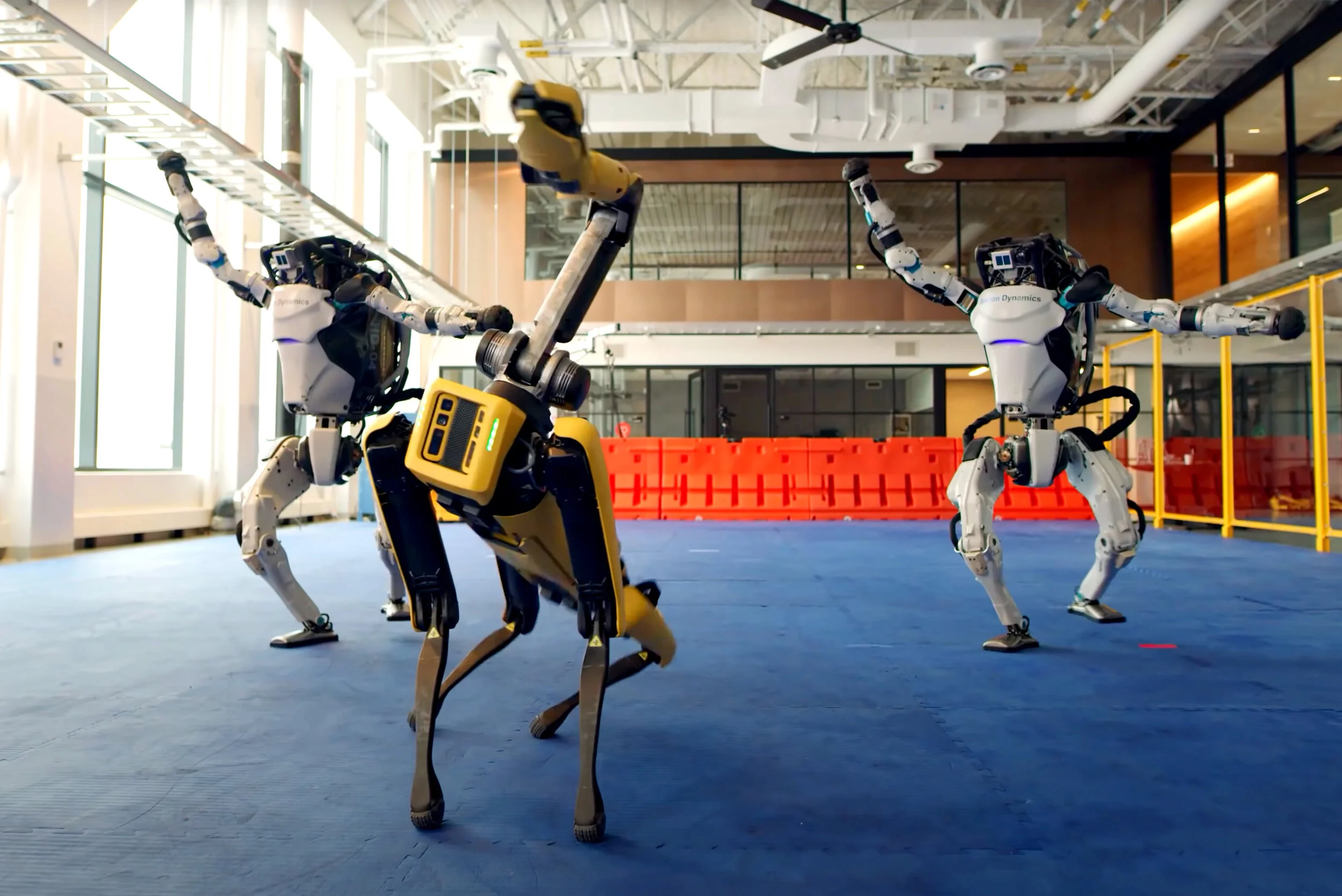
At the end of 2020, a viral video of dancing robots made a splash across social media. The video is creeping up to 30 million views on YouTube, giving the development teams at Boston Dynamics and Trimble some much deserved recognition for their groundbreaking robotics work. The actual purpose of these robots, though, is far more useful than a fun dance routine.
Mining exploration used to require lengthy digging and expensive drilling. But now, a team of geophysicists from the University of the Witwatersrand in Johannesburg, South Africa, has devised a new form of mineral detection that uses seismic activity to target where new mines could be constructed.
When a crucial piece to his dike safety experiment didn’t arrive, civil engineer Juan Aguilar-López decided to improvise. He used his bass guitar and amp to create sound vibrations that could be detected by light emitting fibre optic senors. Through this experiment, Aguilar-López could inspect the dikes, measuring water pressure and detecting where the dikes might be vulnerable to a breach.
Cephalopods often baffle scientists with their unique characteristics — especially the way their skin changes colour. For octopus, in particular, this colour change is akin to a muscle reflex, controlled by multiple brains throughout its body.
Across the world, architectural marvels have astounded people with their majesty and complexity. But history is also rife with marvels that never-were and could have changed much of the world today. Here are five structures that were never completed but could have had a lasting impact on history.
It’s hard enough getting a baby to sit still for a meal or a photo — imagine trying to get them to stay still for an MRI! For years, researchers have struggled to capture images of infants' brains to better understand how their minds develop and, in turn, catch developmental delays early on.
Shhh….can you hear it? That strange, inexplicable hum? Since the 1970s, low-frequency rumbles have been reportedly heard around the world — spawning numerous conspiracy theories about the source.
Even the most drought-ridden environments could see a boom in agricultural production thanks to a group of materials engineers from the University of Texas at Austin. The team recently published an article in ACS Materials Letters about its atmospheric water irrigation system.
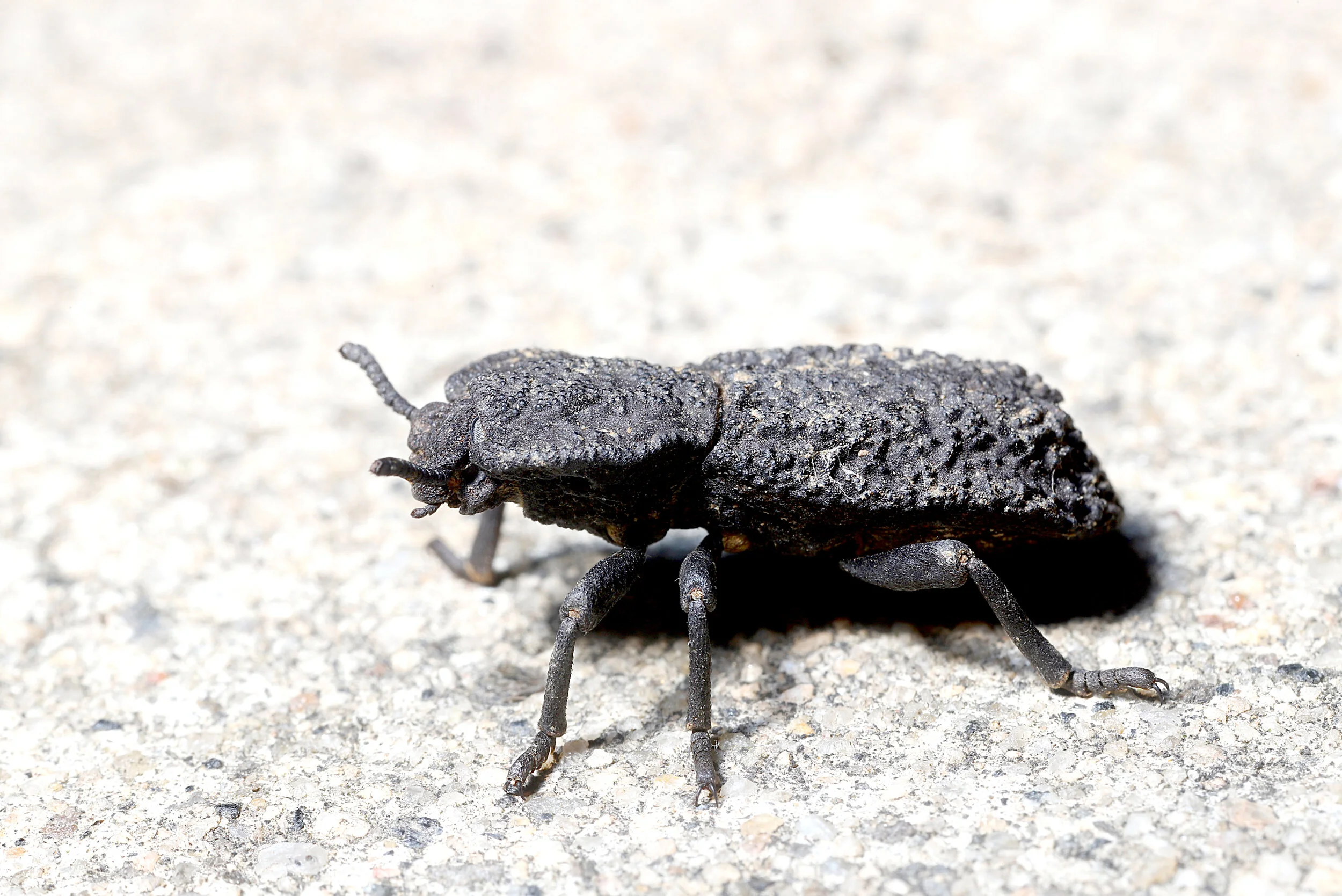
Imagine stepping on what you believe to be a normal beetle and seeing it not only survive your weight but look completely unscathed. Now, imagine that same beetle also surviving being run over by a car.
We’re continuing to work with the provincial government on updating the Engineering and Geoscience Professions Act, which has not been significantly revised in nearly 40 years.
Marking the 30th anniversary of the Berlin Wall coming down, a symbol that long-represented the stark divide with communist-led East Germany, a newly discovered escape tunnel was opened to the public in November 2019.
A spinal micro-implant that helps paralysis patients regain motor functions. A coal processing plant now serving as a solar power facility. A liquid polymer that can move and grab objects. These are five of the most talked about engineering and geoscience stories of 2019.